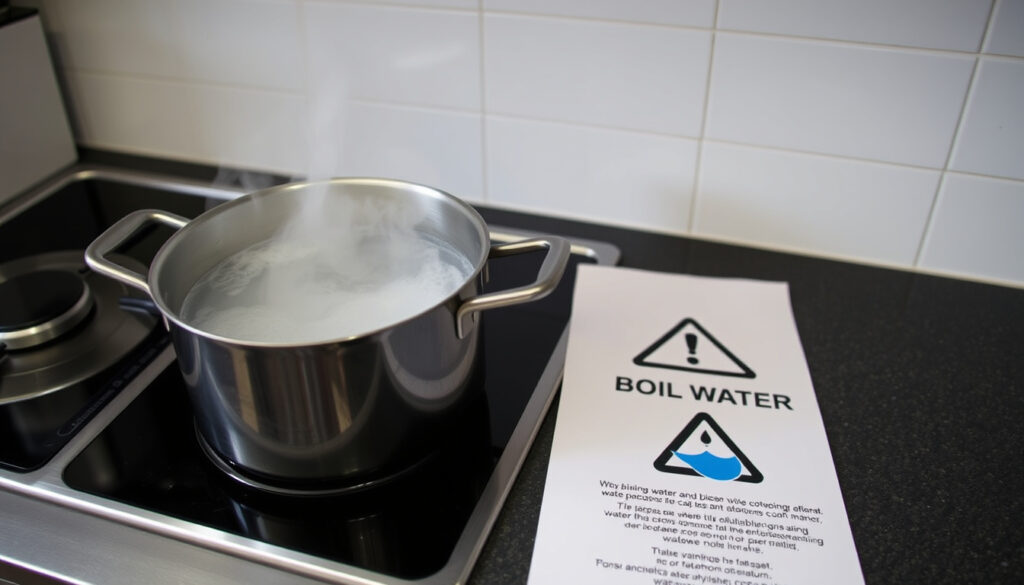
Greymouth Boil Water Notice: Status, Safety, and FAQ
Few things disrupt a quiet afternoon like a boil water notice landing in your inbox. For residents of Greymouth and surrounding areas, that’s exactly what happened on 9 April 2025, when the Grey District Council issued a precautionary alert due to possible contamination, and since then conflicting updates have left many wondering whether the water is actually safe.
Issued: 9 April 2025 ·
Affected area: Greater Greymouth and surrounding areas ·
Cause: Possible contamination in water supply ·
Official source: Grey District Council (local authority)
Quick snapshot
- Boil water notice issued 9 April 2025 for Greater Greymouth Water Supply (Grey District Council alert)
- Boil water notice covers 14 named areas including Greymouth, Cobden, Blaketown, and others; total coliforms detected in Stillwater, Cobden, and Kaiata zones, with one E. coli in Kaiata (1News (New Zealand news outlet))
- Exact cause and method of contamination — may never be known (RNZ (public broadcaster))
- Whether the notice is currently lifted or still in effect (conflicting reports) (Grey DC Facebook post)
- Duration until full water safety is confirmed — at least three consecutive clear tests required (Grey District Council (local authority) FAQ)
- 13 Apr: Council Facebook said lifted (Grey DC Facebook post); 15 Apr: RNZ reports still in force (RNZ (public broadcaster))
- Three consecutive days of clear test results required to lift notice (1News)
- Residents should continue boiling water until official all-clear (CDC (public health authority))
- Check Grey District Council alerts page for updates
Five key facts about the Greymouth boil water notice, one pattern: the official story shifted within a week, leaving residents caught between contradictory messages.
| Label | Value |
|---|---|
| Issued | 9 April 2025 |
| Affected area | Greater Greymouth and surrounding areas |
| Cause | Possible contamination in water supply |
| Official authority | Grey District Council |
| Type of notice | Precautionary boil water notice |
Is it okay to shower during a boil water alert?
Yes — showering is generally safe as long as you avoid swallowing any water, according to guidance from the U.S. Centers for Disease Control and Prevention (public health authority). The same advice applies during the Greymouth boil water notice.
- Keep showers short and minimize water contact with your mouth and eyes.
- Hot water from the tap is not safe to drink because your hot water cylinder does not reach a temperature high enough to kill germs, as the Grey District Council (local authority) explains on its boil water FAQ.
Can I still take a bath?
Bathing is also safe if you take care not to ingest water. For young children, the CDC recommends using a sponge bath to reduce the risk of swallowing water.
What about hot water from the tap?
The council is explicit: “Hot water from your tap is not safe to drink during a boil water advisory as the temperature of your hot water cylinder is not high enough to kill germs.” That means no drinking, no cooking with it, and no making baby formula from it.
The implication: your hot water tap is useful for washing, but don’t rely on it for safe drinking water — boil cold tap water instead.
What Is A Boil Water Advisory?
A boil water advisory is a public health notice issued by a water authority when drinking water is compromised or suspected to be compromised. It tells residents to boil tap water before using it for drinking, cooking, brushing teeth, or making food.
Why are boil water notices issued?
They are issued when routine testing or an event (like a pipe break or treatment failure) raises the possibility that harmful bacteria, viruses, or parasites could be present. In the Greymouth case, total coliforms and one E. coli were found in water samples from the Kaiata zone, triggering the precautionary notice, according to 1News.
Who decides when to issue one?
The local water authority — for Greymouth, that’s the Grey District Council (local government body) — in consultation with public health officials. They monitor water quality and act when results exceed safe thresholds.
How is a notice lifted?
Three consecutive days of clear test results are required before the notice can be lifted, as reported by 1News. That means no detectable coliforms or E. coli in samples across all affected zones.
What this means: even if initial tests come back clean, residents are stuck waiting for a three-day clean streak — the notice won’t disappear overnight.
The Greymouth notice appeared lifted on 13 April according to the council’s Facebook post, yet RNZ reported on 15 April that it was still in force. Residents can’t rely on a single source — confirming with the council directly is essential.
What if I accidentally drank water during a boil water advisory?
First, don’t panic. Most healthy adults will not get sick from a small amount of contaminated water, according to the CDC.
What symptoms should I watch for?
Symptoms of waterborne illness include diarrhea, vomiting, stomach cramps, and fever. They can appear anywhere from a few hours to several days after exposure. The World Health Organization (global health authority) notes that E. coli and coliforms are indicators of possible fecal contamination.
Should I seek medical attention?
Contact your doctor or Healthline (0800 611 116) if symptoms develop, especially if they are severe or persist. The New Zealand Ministry of Health (national health authority) provides guidance on waterborne illness.
What about children or elderly?
Children, older adults, and immunocompromised individuals are at higher risk. The Taumata Arowai (New Zealand water services regulator) emphasizes that vulnerable groups should take extra precautions and consider using bottled water.
Why this matters: the real risk isn’t immediate — it’s the uncertainty of hidden symptoms. Monitoring is your best defense.
What happens if I brush my teeth during a boil water advisory?
Do not use unboiled tap water for brushing your teeth, say public health guidelines from the CDC. Use boiled (and cooled) water, bottled water, or water from a safe source.
Can I use bottled water instead?
Yes — bottled water is perfectly safe. The council’s FAQ also recommends it as an alternative while the notice is active.
What if I already brushed my teeth?
Rinse your mouth with clean water from a safe source. Monitor for any symptoms of illness, but the risk from a single exposure is low for most people.
The pattern: every action that puts water in your mouth — drinking, brushing, cooking — requires the same precaution: boil first or use bottled.
Is it okay to wash dishes with a boil water advisory?
Yes, with the right method. The CDC provides clear guidelines for washing dishes during a boil water notice.
Can I use a dishwasher?
Dishwashers with a high-temperature sanitizing cycle (at least 65°C) are generally safe. If your dishwasher doesn’t have that cycle, hand-washing is safer.
How should I hand wash dishes?
Use boiled water or a bleach solution to sanitize dishes. The U.S. Environmental Protection Agency (environmental regulator) recommends mixing 1 teaspoon of unscented bleach per gallon of water for sanitizing. Let dishes air dry completely — don’t use a dish towel that may have contaminates.
The trade-off: using a dishwasher is convenient but only safe if it reaches the right temperature; hand-washing takes more effort but you control the sanitization.
Step-by-step: How to safely boil water during the notice
Boiling is simple, but doing it correctly is critical. The Greymouth Council advises bringing water to a rolling boil for at least one minute — longer at higher altitudes (none relevant here). Let it cool before storing in a clean, covered container.
- Fill a clean pot or kettle with cold tap water.
- Bring the water to a rolling boil for at least 1 minute.
- Turn off the heat and let it cool naturally.
- Pour the cooled water into a clean, covered container for later use.
- Store in the refrigerator if you plan to keep it for more than a day.
Do not add any sugars, flavorings, or ice cubes made from unboiled water. The WHO confirms that boiling is the most effective method to kill bacteria, viruses, and parasites.
The key takeaway: boiling is foolproof if you follow the minute rule and store properly.
What we know vs. what remains uncertain
Confirmed facts
- Boil water notice issued on 9 April 2025 for Greater Greymouth Water Supply covering 14 named areas (Grey DC alert)
- Possible contamination suspected; total coliforms and one E. coli detected (RNZ (public broadcaster))
- Grey District Council is the responsible authority (Grey District Council (local authority))
What’s unclear
- Exact cause and how contamination entered the supply — likely never known (RNZ (public broadcaster))
- Whether the notice is currently lifted or still in effect (Grey DC Facebook post)
- Duration until full water safety is confirmed — at least three consecutive clear tests needed (Grey DC FAQ)
What residents and experts are saying
“The Grey District Council has issued a boil water notice… due to possible contamination.”
— Grey District Council (official alert)
“Greymouth boil water notice still in force, cause of contamination may never be known.”
— RNZ (public broadcaster)
“Hot water from your tap is not safe to drink during a boil water advisory as the temperature of your hot water cylinder is not high enough to kill germs.”
— Grey District Council (FAQ page)
What this all means for Greymouth residents
The Greymouth boil water notice has become a textbook case of public health communication gone murky. With conflicting signals from official and news sources, residents are left to navigate the gap between what the council says on Facebook and what a national broadcaster reports. For Greymouth families, the choice is clear: keep boiling your water until you see a consistent, cross-checked all-clear from at least two independent official sources. School closures, disrupted routines, and lingering uncertainty are the price of caution — and given that the cause may never be known, caution is the only safe bet.
Related reading: Thames-Coromandel District Council phone number · Work and Income Palmerston North
Frequently asked questions
How do I properly boil water during a boil water notice?
Bring water to a rolling boil for at least one minute, then let it cool. Store in a clean, covered container. For higher altitudes, boil for longer, but that’s not a concern in Greymouth.
Can I use a water filter or pitcher during a boil order?
No — standard household filters (Brita, PUR, etc.) do not remove bacteria, viruses, or protozoa. Only boiling, distillation, or reverse osmosis systems can make water safe during a boil notice.
Should I conserve water while the notice is in effect?
Yes, especially if you are also under a conserve water notice. The council’s Facebook post on 13 April lifted both notices, but RNZ’s late report suggests the boil notice persists. Use water sparingly for non-essential tasks.
What if I have a private well? Is it affected?
Private wells are not connected to the municipal supply and are not affected by the boil water notice. However, if your well is in the same zone, it’s wise to test it separately. Contact the Grey District Council (local authority) for guidance.
How will I be notified when the notice is lifted?
The council typically posts updates on its alerts page and Facebook page. Also listen for local radio announcements. Check multiple sources because conflicting reports have appeared before.
Is it safe to use ice made from tap water before the notice?
No — discard any ice made from tap water before the notice was issued, as it may contain the bacteria. Make new ice using boiled or bottled water.
More related posts
 Breaking News Earthquake Today: Global Impacts Update
 Dodgers vs Toronto Blue Jays: Record, Odds, and Key Facts (2026)
 New Balance Lifestyle Mode de Vie – Guide to Everyday Classics
 Ninja Double Stack Air Fryer: Is the Vertical Design Worth It?
 Cheap Washing Machine NZ: 2025 Best Budget & Reviews
 The Women by Kristin Hannah: Summary, Review, and Reader Guide
 Castlepoint Hotel & Guesthouse: Reviews & Amenities Guide
 NZ King Salmon Share Price: Forecast, History and Is It a Buy