Bay of Islands NZ Guide: Towns, Things to Do & Best Time
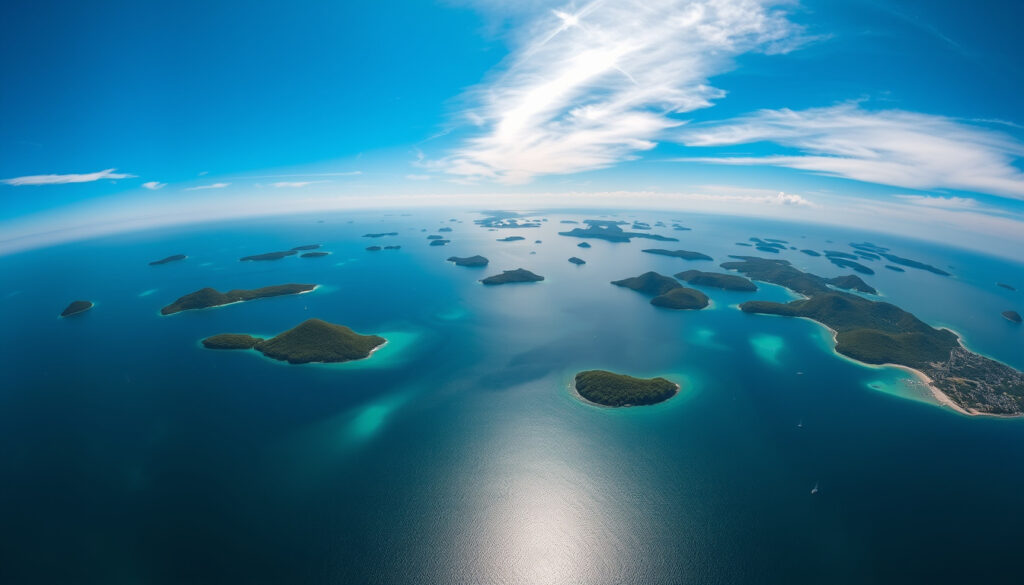
There’s a reason New Zealanders keep returning to the Bay of Islands — even after decades of summers here, the sight of those 144 islands scattered across a blue-green sea still stops you mid-sentence. This stretch of Northland packs three distinct experiences into one region: the founding moment of modern New Zealand at Waitangi, the subtropical warmth that lets you swim in July, and a pace of life that makes you forget your watch.
Number of islands: 144 ·
Distance from Auckland: 240 km (3.5-hour drive) ·
Main town: Paihia ·
Best time to visit: November to April ·
Average summer temperature: 24°C (75°F)
Quick snapshot
- The Bay of Islands comprises 144 islands (GetYourGuide)
- The Treaty of Waitangi was signed there in 1840 (Waitangi Treaty Grounds)
- Paihia is the main tourist hub with most accommodation and dining (Bay of Islands Visitor Information)
- Summer highs average 24°C (75°F) from November to April (NIWA climate data)
- Exact island count can shift with tidal conditions (commonly cited as 144, GetYourGuide)
- Some free activities may be seasonal (e.g., waterfall swimming in winter) (Waitangi Treaty Grounds)
- Availability of specific cruise ship excursion slots varies by season (Norwegian Cruise Line)
- Peak cruise ship season runs November through April (New Zealand Tourism Board)
- Domestic flights to Kerikeri operate year-round from Auckland (Air New Zealand)
- Dolphin tours operate all year, but calmer waters favour summer months (Bay of Islands Visitor Information)
- New walking trails at Waitangi Treaty Grounds opening in 2025 (Waitangi Treaty Grounds)
- Expanded ferry services between Paihia and Russell (Bay of Islands Visitor Information)
- Ongoing upgrades to State Highway 1 north of Whangarei (NZ Transport Agency)
Seven key facts, one pattern: the Bay of Islands is a compact region where the numbers — 144 islands, 240 km from Auckland, 24°C in summer — translate directly into travel decisions.
“The Bay of Islands is a subtropical micro-region known for its stunning beauty and history.”
| Fact | Detail |
|---|---|
| Location | Northland region, North Island, New Zealand |
| Number of islands | 144 |
| Main population center | Paihia |
| Distance from Auckland | 240 km (3.5 hours by car) |
| Best time to visit | November to April (warmest months) |
| Average summer high | 24°C (75°F) |
| Major historical site | Waitangi Treaty Grounds |
Is the Bay of Islands in New Zealand worth visiting?
What makes Bay of Islands special?
- The region features 144 islands, creating a sheltered marine playground (GetYourGuide)
- It has a subtropical climate — warm enough for swimmers from November through April (New Zealand Tourism Board official site)
- The Treaty of Waitangi, New Zealand’s founding document, was signed here in 1840 (Waitangi Treaty Grounds)
- Water sports, beaches, and dolphin-watching tours operate year-round
“The Treaty of Waitangi, New Zealand’s founding document, was signed here in 1840.”
What this means: no other spot in New Zealand combines warm subtropical water, a foundational historical site, and 144 islands you can actually visit in a single day — that’s the region’s core advantage over places like Queenstown or the Coromandel.
How does it compare to other NZ destinations?
Three distinct competitors, one pattern: the Bay of Islands wins on water warmth and historical density, loses on snow sports and nightlife.
If you want to swim without a wetsuit and stand where a nation was born, Bay of Islands beats Queenstown. If you want mountains and après-ski, go south.
The implication: the Bay of Islands is best for travellers who prioritise warmth, history, and water activities over adventure sports or big-city energy.
What are the major towns in the Bay of Islands?
Paihia: the main tourist hub
- Paihia has the highest concentration of accommodation, restaurants, and tour operators (Bay of Islands Visitor Information)
- Its beachfront serves as the departure point for most boat tours and the ferry to Russell
- The town has a published list of 11 free things to do, including Haruru Falls and the Twin Coast Cycleway (Bay of Islands Visitor Information)
Russell: historic first capital
- Russell was New Zealand’s first capital city in 1840–41 (Russell Museum)
- Key historic sites: Pompallier Mission, the Duke of Marlborough Hotel (NZ’s oldest licensed hotel), and the Russell Museum
- Scenic walks include the Tapeka Point Track and Flagstaff Hill walk
Kerikeri: subtropical gardens and markets
- Kerikeri is known for subtropical gardens, orchards, and a thriving farmers’ market (Kerikeri Community)
- Historic sites include the Stone Store (NZ’s oldest stone building, 1832) and Kemp House (1822)
- The town has a growing wine region with cellar doors open for tastings
Three towns, one trade-off: Paihia gives you convenience and variety; Russell gives you history and quiet; Kerikeri gives you gardens and food. Pick your priority.
How do I get to the Bay of Islands from Auckland?
Driving from Auckland to Paihia (route, time)
- The drive takes about 3.5 hours via State Highway 1 north through Whangarei (NZ Transport Agency)
- Recommended stops: the Waipu Caves, Whangarei Falls, and the Kawakawa Hundertwasser toilets
- The route is mostly two-lane highway; allow extra time during summer weekends
Bus services and tours
- InterCity operates daily buses from Auckland to Paihia (about 4 hours, from $35 NZD) (InterCity)
- ManaBus and Kiwi Experience also offer routes with stops in the Bay of Islands
Flying to Kerikeri Airport
- Air New Zealand and Jetstar fly from Auckland to Kerikeri Airport (about 45 minutes) (Air New Zealand)
- Kerikeri Airport is 20 minutes’ drive from Paihia; taxis and shuttle services are available
Day trip feasibility
- A day trip from Auckland is possible but rushed — 7 hours of driving for a few hours on the water
- Better option: book an overnight stay or join a multi-day tour
The catch: 3.5 hours each way means a day trip is 7 hours of driving for maybe 4 hours of fun. Stay overnight if you can.
What is the best time to visit the Bay of Islands?
Summer (Dec-Feb) peak season
- Average high of 24°C (75°F) — ideal for swimming, boating, and dolphin watching (NIWA climate data)
- Crowds peak in January; book accommodation 3–6 months ahead
Autumn (Mar-May) mild and fewer crowds
- Temperatures stay above 18°C through April
- Clearer skies and calmer seas often follow autumn rain fronts
Winter (Jun-Aug) cooler but still pleasant
- Average winter highs around 15°C — still swimmable on sunny days (NIWA climate data)
- Whale watching season peaks June through August
Spring (Sep-Nov) wildflowers and calmer weather
- Daytime temperatures rise from 16°C in September to 20°C in November (NIWA climate data)
- Spring blooms in Kerikeri gardens and fewer tourists than summer
November to April gives you the warmest water and best outdoor conditions. Winter is cheaper and less crowded but you may trade sunny days for rain.
Four seasons, one pattern: if water warmth matters most, come December–April. If solitude matters more, May and October are the sweet spots.
What are the best things to do in the Bay of Islands?
Cruise ship itineraries and shore excursions
- Norwegian Cruise Line lists shore excursions such as the Hole in the Rock, island cruising, and wildlife sightseeing (Norwegian Cruise Line)
- Local operator Island Getaway offers 3-hour small-group trips to the Hole in the Rock and Cape Brett Lighthouse with a stop at Roberton Island (Island Getaway)
- Explore Group runs full-day trips including Otehei Bay and an island buffet lunch (Explore Group NZ)
- Tour operators typically meet cruise passengers at Waitangi Wharf after the tender (Viator)
Free activities: beaches, walks, Waitangi grounds
- Haruru Falls: a 20-minute walk from Paihia, free access and picnic spots (Bay of Islands Visitor Information)
- Rainbow Falls in Kerikeri: swimming hole accessible via free walking track (Waitangi Treaty Grounds)
- Tapeka Point near Russell: a short walk to a stunning beach and headland
- The Twin Coast Cycleway connects Paihia to Opua via a free walking/cycling path
Free activities are wonderful but limited — expecting a full day of zero-cost entertainment will leave you disappointed. Budget for at least one boat trip.
Water sports: kayaking, sailing, dolphin watching
- Dolphin tours operate year-round, with common 1.5–4 hour durations (TripAdvisor listings)
- Kayak hire from Paihia beach starts around $40–$60 NZD per half-day (Bay of Islands Visitor Information)
- Sailing charters range from 1-hour sunset trips to full-day island-hopping itineraries
Historical sites: Waitangi Treaty Grounds, Russell Museum
- Waitangi Treaty Grounds: entry fee of $50–$60 NZD includes guided tours, museum, and ceremonial waka (Waitangi Treaty Grounds)
- Russell Museum covers the town’s history as NZ’s first capital, entry by donation
- Pompallier Mission: restored 1842 printing press building, guided tours available
Three activity categories, one pattern: boat trips and historical sites cost money; beaches and waterfall walks cost nothing. Mix both for a balanced trip.
Comparison: Paihia vs Russell vs Kerikeri
Upsides
- Paihia: most accommodation, dining, and tour options in one walkable area
- Russell: quiet, historic charm with fewer crowds and easy ferry access
- Kerikeri: best food scene with markets, gardens, and wineries
- All three have free beach access and walking trails
Downsides
- Paihia can feel touristy in peak season
- Russell requires a ferry from Paihia unless you drive the long way
- Kerikeri is 25 minutes inland — no direct beach access, no waterfront views
- Accommodation prices spike 50-100% in January
Why this matters: pick Paihia for convenience and variety, Russell for quiet history, Kerikeri for food and gardens. If you can, split your stay across two bases.
How to plan a 3-day Bay of Islands itinerary
- Day 1: Arrive and explore Paihia
- Day 2: Islands and history
- Day 3: Culture and coast
Day 1: Arrive and explore Paihia
- Morning: drive from Auckland (3.5 hours) or fly to Kerikeri (45 min flight + 20 min drive)
- Afternoon: walk the Paihia beachfront, visit Haruru Falls free walking track
- Evening: dinner at a Paihia waterfront restaurant
Day 2: Islands and history
- Morning: take a boat tour to the Hole in the Rock — recommended: Island Getaway 3-hour trip (Island Getaway)
- Return to Paihia wharf around 3 pm (Bay of Islands Information)
- Afternoon: ferry to Russell (15 min) and explore the historic town
Day 3: Culture and coast
- Morning: Waitangi Treaty Grounds — allow 2-3 hours for the museum and grounds (Waitangi Treaty Grounds)
- Midday: walk the Twin Coast Cycleway from Paihia to Opua (free, 1 hour each way)
- Afternoon: depart for Auckland or onward travel
The implication: three days gives you one day for islands, one for history, one for culture and free exploration. Pack accordingly.
shoretripsandtours.com, tripadvisor.com, viator.com, thrillophilia.com
Frequently asked questions
How many days should I spend in the Bay of Islands?
Three days is the sweet spot: one day for a boat tour to the islands, one day for Waitangi and Russell, and one day for free activities and departure. Two days works for a quick visit but feels rushed.
What is the best way to get around the Bay of Islands without a car?
The Paihia–Russell ferry (15 minutes, $12 NZD one-way) connects the two main towns. Buses run between Paihia, Waitangi, and Kerikeri. Bicycle hire is available in Paihia for the Twin Coast Cycleway.
Are there any guided tours available?
Yes — dozens. Boat tours to the Hole in the Rock (Island Getaway, Explore Group), glowworm cave tours (Bay of Islands Tours), and historical walking tours of Russell. Most operators pick up from Paihia and Waitangi wharves.
Can I swim with dolphins in the Bay of Islands?
Yes. Dolphin tours operate year-round, with common sightings of bottlenose and common dolphins. Tour durations typically run 1.5 to 4 hours. Note that swimming-with-dolphins is regulated and seasonal.
What is the nightlife like in the Bay of Islands?
Low-key. Paihia has a handful of bars and live music venues; Russell has the historic Duke of Marlborough Hotel pub. If you want clubs and late-night options, stay in Auckland or Queenstown.
For the traveller weighing up Northland vs other NZ regions, the choice is clear: if warm water and foundational history are your priorities, base yourself in Paihia for 3 days — or split 4 days between Paihia and Russell for the full Bay of Islands experience.
More related posts
 Amethyst Court Motor Lodge: Affordable Porirua Motel
 Accounting Software for Small Business: Full Comparison
 Taco Bell New Lynn: Menu, Opening, Location & Prices
 Napoleon Dynamite Cast: Salaries and Where They Are Now
 Adam Brody Movies and TV Shows: Full Filmography & Career
 Can You Put Tin Foil in an Air Fryer? Safety Rules & Alternatives
 Miami Heat vs Timberwolves Player Stats | Jan 2026 Box Score