What to Do in Sydney: Top Attractions & Local Tips for 2026
You have 72 hours in Sydney, a city that feels both vast and intimate, but you’re on a budget and short on time. The real trick is skipping the overpriced tours and experiencing the harbour city like a local, with free walks, hidden viewpoints, and a few insider secrets.
Population: 5.3 million · Number of beaches: 100+ · Average January temperature: 26°C (79°F) · Cheapest month to fly (from US): August
Quick snapshot
- Sydney’s beaches are free to access (Sydney Tourism).
- The Bondi to Coogee Coastal Walk is free and takes 2–3 hours (Sydney Tourism).
- The Art Gallery of New South Wales offers free entry (NSW Government).
- Walking across the Sydney Harbour Bridge is free (Hachette Book Group).
- Exact annual tourist numbers vary by source.
- Best month for specific events can shift year to year.
- Confidence in some free activity listings is mixed.
- Free events like Vivid Sydney light displays run in May-June (Sydney Tourism).
- Guided heritage walks occur on a set schedule (Sydney Tourism).
- Check the official calendar for free festivals.
- Plan a sunrise or sunset visit to the Opera House.
- Consider a ferry ride for budget harbour views.
Five essential facts, one pattern: the city’s biggest icons are free to see, but the cost creeps in elsewhere.
| Stat | Value |
|---|---|
| Population (2023) | ~5.3 million |
| Area | 12,367 km² |
| Number of beaches | 100+ |
| Timezone | AEST (UTC+10) |
| Currency | Australian Dollar (AUD) |
A first-time visitor can see the core of Sydney for nearly nothing, but the budget breaks on food, accommodation, and paid experiences like the BridgeClimb.
What should you not miss in Sydney?
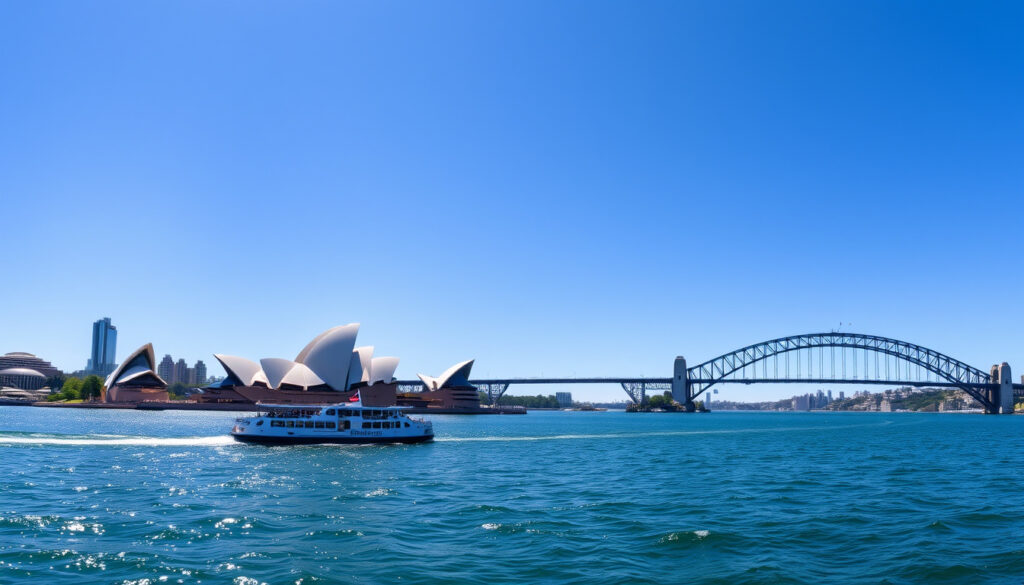
Sydney’s reputation is built on a handful of world-famous landmarks, and missing any of them feels like a mistake. The Sydney Opera House is a UNESCO World Heritage site, and according to Sydney Tourism, its stunning architecture is best appreciated on a free harbour walk. The Sydney Harbour Bridge offers a similar experience; walking the pedestrian path across it is free, though climbing to the summit requires a ticket. For the best photo opportunities, the Royal Botanic Garden and Mrs Macquarie’s Chair provide iconic views of both landmarks without spending a dollar.
Beyond the icons, local favorites come into play. The Bondi to Coogee Coastal Walk is a free, 2–3 hour trail that showcases Sydney’s dramatic coastline and is listed among the city’s top free attractions by Sydney Tourism. For a dose of history, The Rocks area offers weekend markets and heritage walks, while the Art Gallery of New South Wales provides free access to its permanent collection. These are the experiences that define a Sydney visit, and they are all free.
Top 10 must-see attractions
- Sydney Opera House
- Sydney Harbour Bridge
- Bondi Beach
- Royal Botanic Garden
- The Rocks
- Sydney Tower Eye (for views)
- Taronga Zoo
- Darling Harbour
- Manly Beach
- Art Gallery of New South Wales
Iconic landmarks: Opera House, Harbour Bridge
The Opera House is more than a building; it’s the city’s cultural heartbeat. While a guided tour is a paid activity, the surrounding promenade is perfect for a picnic with a view. The Harbour Bridge dominates the skyline, and the pedestrian walkway from The Rocks offers a unique perspective for free. Locals often point out that the best time to see the bridge is at sunset, when the light hits the water, as noted in the Sydney Tourism guide.
Hidden gems locals love
Venture away from the crowds to find spots like Wendy’s Secret Garden in Lavender Bay, a peaceful retreat named after the wife of artist Brett Whiteley. Another favorite is the walk from the Royal Botanic Garden to Mrs Macquarie’s Chair, which offers postcard-perfect photo opportunities. For a unique view, the gardens at Observatory Hill are a lesser-known free viewpoint, often recommended by Sydney Tourism.
Is 3 days enough for Sydney?
Three days is a tight but workable window to cover Sydney’s essentials. According to Sydney Tourism, this timeframe is perfect for first-timers focused on the city core, beaches, and a quick ferry ride. It allows you to tick off the Opera House, Harbour Bridge, and Bondi without feeling too rushed. However, it leaves little room for day trips to the Blue Mountains or the Hunter Valley, which many consider essential for a fuller Sydney experience. If you’re set on exploring beyond the city limits, consider a four or five-day itinerary.
Suggested 3-day itinerary
- Day 1: Circular Quay, Opera House, Royal Botanic Garden, Mrs Macquarie’s Chair.
- Day 2: Bondi to Coogee walk, Bondi Beach, afternoon at The Rocks markets.
- Day 3: Ferry to Manly, Manly Beach, walk to North Head for harbour views.
What you can realistically see in 72 hours
Realistically, you can cover the central business district, the harbour, and one coastal walk. A 3-day visit is a sampler platter, not a full meal. As the NSW Government notes, many free attractions are concentrated around the harbour, making them easy to bundle together. Missing the Blue Mountains is the biggest regret for travelers, so if you can spare a fourth day, it’s worth it.
Pros and cons of a short trip
Short trips are efficient but intense. You’ll pack a lot in, but you risk exhaustion. The pros: you’ll see the highlights without needing a week of vacation time. The cons: you’ll miss the relaxed pace of Sydney’s café culture and have no daylight left for spontaneous detours. If you’re a first-time visitor comfortable with a fast pace, three days works. If you prefer a slower rhythm, extend your stay.
What is the best month to go to Sydney?
The best time to visit Sydney is during the shoulder seasons, specifically March through May and September through November. These months offer mild temperatures and fewer crowds, according to Sydney Tourism. Summer (December to February) is hot and humid, with average January temperatures hitting 26°C (79°F), making it perfect for beach days but also the peak tourist season. Winter (June to August) is cooler and drier, with average highs around 17°C, making it ideal for exploring the city’s museums and indoor attractions, though not for swimming.
Seasonal weather overview
Spring and autumn are the sweet spots, with clear skies and comfortable temperatures. The Bureau of Meteorology notes that Sydney enjoys over 300 days of sunshine annually, but you might encounter rain year-round. The sun is intense, so pack sunscreen even on overcast days.
Peak vs off-peak travel
Peak season (December to February) means higher prices for flights and hotels, but you get long daylight hours and all the summer festivals. Off-peak (June to August) offers the cheapest rates, but some attractions may have reduced hours. The NSW Government points out that many free outdoor activities are still enjoyable in winter, but you might need a jacket.
Events by month
- January: Sydney Festival, New Year’s Eve fireworks.
- May-June: Vivid Sydney light display.
- December: Carols in the Domain.
The implication: if you want to enjoy the city’s free outdoor attractions, schedule your visit around the shoulder months. You’ll get the best of both worlds—pleasant weather and fewer tourists—without the premium price tag.
What is the cheapest month to go to Sydney?
If your wallet is the deciding factor, target the Australian winter—June, July, and August. This is the low season, and Sydney Tourism confirms that flights and accommodation prices drop significantly. For instance, flights from the US and Europe are often 20-30% cheaper than in peak season. While the weather is cooler, Sydney still offers around 17°C (63°F) and plenty of sunny days, which is perfect for walking the harbour or taking a free tour. You’ll also find fewer crowds at major attractions, making the experience more personal.
Off-peak travel months
Winter is the shoulder season for a reason. It’s not just about cost; it’s about atmosphere. You’ll get a more local feel as you wander through places like the Royal Botanic Garden without the tourist rush. The NSW Government highlights that many indoor attractions, like the Art Gallery of NSW, are free year-round, making winter a smart time to do a sightseeing blitz.
Flight and accommodation savings
The savings are measurable. According to Hachette Book Group, hotel rates in July can be up to 40% lower than in January. This frees up your budget for the paid experiences you don’t want to miss, such as a guided tour of the Opera House or a meal at a harbourfront restaurant. You can even afford a few splurges, like a day trip to the Blue Mountains if you extend your stay.
Shoulder season benefits
Visiting in winter also means shorter queues for popular activities. The Bondi to Coogee walk is less crowded, and you might even find a spot on the sand without the summer crush. It’s a trade-off: you swap beach days for a more relaxed and affordable trip. If you’re not a sun worshipper, this is the sweet spot for budget travelers.
For a budget traveler, the choice is clear: book a trip for July to stretch your dollars further. But if you’re visiting with family and want to enjoy the water, the extra cost in summer is worth it.
Do and don’ts in Sydney, Australia?
Sydney is safe, but it has a few quirks that can trip up first-time visitors. The City of Sydney advises that on the beach, always swim between the flags—this is non-negotiable for your safety. When using public transport, buy an Opal card, which offers daily caps and free travel after eight trips in a week. Tipping is not mandatory, but it’s appreciated for good service. And here’s a shocker: jaywalking is illegal, and fines are enforced, so always wait for the green man.
Etiquette tips for visitors
The local culture is relaxed, but there are unspoken rules. When entering a pub or café, it’s customary to say “g’day” to the staff. The Sydney Tourism guide also recommends respecting the local wildlife; don’t feed the cockatoos, as they can carry diseases. On public transport, give up your seat to the elderly and pregnant women; it’s a social norm.
Safety and common pitfalls
Sydney is generally safe, but the city has its own brand of trouble. The NSW Police Force advises against leaving your bag unattended in public spaces, especially near the Opera House, as you may alert security. Also, be cautious at night in certain areas like King’s Cross; while it’s a nightlife hub, it can get rowdy.
Transportation do’s and don’ts
Do use the free CBD shuttle bus 555 if you’re staying near the centre—it’s a hidden gem for tourists. Don’t rent a car in the city; parking is expensive and traffic is heavy. Instead, use the efficient train and ferry network, which offers the best harbour views for just a few dollars. A local tip from Sydney Tourism: avoid travelling south on the train during afternoon peak hours to dodge the packed commuter trains.
Things to do in Sydney for free
If you want to experience Sydney like a local, the best things in life are free. The Royal Botanic Garden isn’t just for picnics; it’s home to a colony of flying foxes that take to the sky at dusk. For a dose of culture, the Art Gallery of NSW has free entry to its permanent collection, which includes Australian and Indigenous art. And if you’re visiting on a Sunday, the Rocks Markets are a free, open-air showcase of craft and food vendors.
Free attractions in the city
Start your journey at the harbour’s edge, where a walk from Circular Quay to the Opera House will take you past buskers and heritage buildings. The Botanic Garden is an open-air museum, while the Observatory Hill offers panoramic views that are rarely crowded. Don’t miss the Contemporary Art Gallery, which offers free entry on select days.
Coastal walks and parks
The Bondi to Coogee walk is a free 6km adventure with cliff-top views and rock pools. The Coogee to Bondi walk is a favourite, with a detour to Tamarama Beach. For a longer trek, the Spit Bridge to Manly walk is a hidden gem for locals, taking about 4 hours and passing through bushland and bayside suburbs.
Free events and festivals
Timing is everything. The Vivid Sydney festival lights up the city in May and June, and while the light shows are free, the crowds are huge. January’s Festival of Sydney is free, offering open-air performances. For a truly local experience, bring a bottle of wine and a blanket to the Domain for a free outdoor cinema in summer.
The biggest free activity is the city itself, but its sheer size means you’ll burn a lot of shoe leather. The best way to be a wanderer is to map out your route on the free ferry system to save your legs for the hills.
lonelyplanet.com, sydneytourism.org, secretsydney.com, yha.com.au, news.cityofsydney.nsw.gov.au, sydney-spirit.com, hostelworld.com, virginaustralia.com
Frequently asked questions
What is the best way to get around Sydney?
Public transit using an Opal card is the most efficient, with ferries offering the most scenic commutes in the world. You can also walk most of the main attractions if you plan your route.
Can you see the Blue Mountains in one day?
Yes, but it’s a long day. The Alpine-style scenery, vista points, and three sisters are 2 hours by train, but the journey is part of the experience. To make it easier, take the first train and come back late.
Is Sydney expensive for tourists?
It can be. A simple meal at a pub averages $25, but the free things to do in Sydney are world-class, balancing the budget. In general, budget travelers can manage on $100/day excluding flights.
What food is Sydney famous for?
Seafood is paramount, especially the Sydney rock oyster. For a budget bite, a meat pie from a local bakery is a must-try. The twist is that the city’s multicultural scene means you can get legendary sandwiches in the CBD.
Do I need a visa to visit from the US?
Yes, US citizens need an ETA. It’s an electronic system that gives you a green light, but you must apply online a few weeks before travel.
Are there free walking tours in Sydney?
Yes, I recommend the free walking tours offered by locals who are genuinely happy to show you around. They work on tips, so you can pay what you think it’s worth.
What should I pack for Sydney in July?
In July, pack layers. Mornings are cool, with temps around 8°C, but afternoons can be mild around 17°C. Bring a rain jacket, as May and June get the most rainfall.
Is it safe to walk around Sydney at night?
For the most part, yes, the city is well-lit and safe. The evening is great for a night stroll around the harbour. As always, stick to main streets and be aware of your drink.
What is the best month to go to Sydney?
March and April offer the best balance: warm days, low humidity, and fewer crowds than summer. October is also excellent, with spring wildflowers in the Domain and along the coastal walks.
What is the cheapest month to go to Sydney?
July is typically the cheapest month for flights and accommodation. The weather is cool but still manageable, and you’ll find the lowest airfares of the year.
What to do in Sydney for free?
The free list is long: the Royal Botanic Garden, the Art Gallery of NSW’s permanent collection, the Museum of Contemporary Art, the Rocks Discovery Museum, Observatory Hill, and the Bondi to Coogee coastal walk. On Sundays, the Rocks Markets are free to browse.
Do and don’ts in Sydney, Australia?
Do swim between the flags, buy an Opal card, and carry a water bottle. Don’t jaywalk, don’t leave your bag unattended, and don’t feed the cockatoos—they’re wild and can carry disease.
The takeaway: Sydney rewards the prepared traveler. With a solid plan and this guide, you’ll leave with memories of the harbour, the bush, and the city’s free heart.
More related posts
 Live Wire Super Park Guide: Activities, Prices & Locations
 Can Dogs Eat Peanut Butter? Safety, Xylitol Risks & More
 Latest Mt Hutt Ski Report: Snow, Forecast & Road Safety
 2 Degrees Top Up Online: How to Recharge Your Prepay Account
 Fair Trading Act 1986: Penalties, Refunds, and Your Rights
 The Big C Cast: Every Main Actor and Character Explained
 Best Health Insurance NZ 2026: Compare Costs & Providers
 Dricus du Plessis vs Khamzat Chimaev: UFC 319 Result and Recap