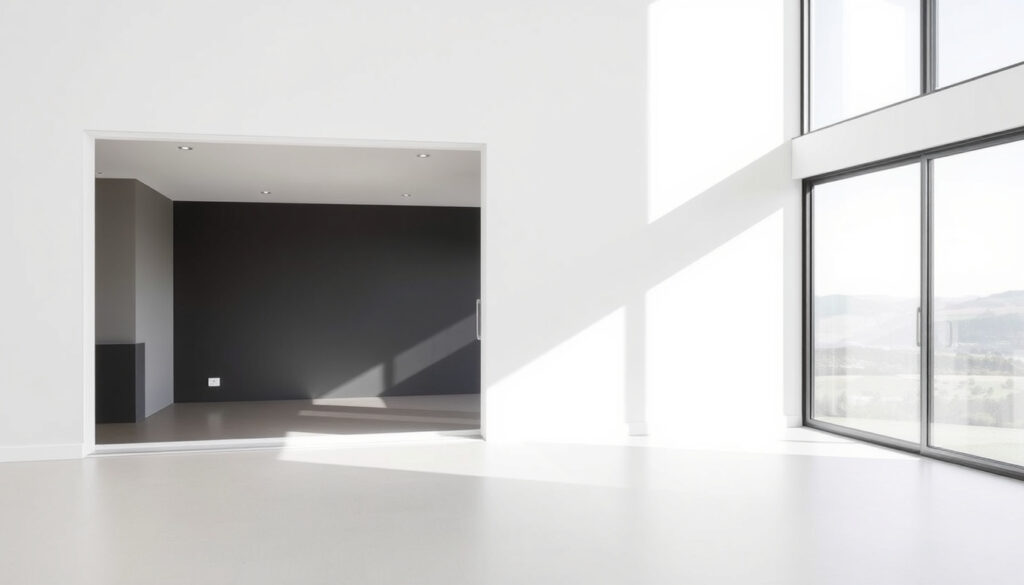
Cavity Sliding Doors NZ: Costs, Brands & Installation Guide
If you’re planning a renovation or building new in New Zealand, cavity sliders are probably on your radar — they’re the sleek door system that slides into the wall pocket, freeing up floor space and opening a room. But with prices ranging from a few hundred dollars for the frame alone to well over two thousand for a complete glass system, it’s easy to feel lost.
Starting price for cavity slider pocket only (NZ$): $339 ·
Maximum recommended door weight (kg): 160 ·
Minimum door width (mm): 580
Quick snapshot
- Cavity slider pocket-only units start at $339 (Doorshed, NZ retailer)
- Maximum recommended door weight is 160 kg (CS Cavity Sliders, manufacturer since 1986)
- Minimum door width is 580 mm (CS Cavity Sliders)
- Top NZ brands: Hallmark, CS Cavity Sliders, Cowdroy (Bunnings NZ, national hardware chain)
- Exact average total cost including installation across NZ regions (Trade Me Marketplace, NZ listings)
- Long-term durability differences between aluminium, uPVC and timber in NZ’s coastal and high‑UV climate (Trade Me Marketplace, NZ listings)
- Shipping costs can add NZ$120 to delivered price (Trade Me Marketplace, NZ listings)
- Whether 70mm stud walls can be modified for cavity sliders without major reframing (Trade Me Marketplace, NZ listings)
- CS Cavity Sliders has been manufacturing NZ‑made hardware since 1986 – a long‑established market (CS Cavity Sliders)
- No recent regulatory changes affecting availability or standards (CS Cavity Sliders)
- Soft‑close mechanisms are becoming standard in new cavity slider packages (Trade Me Marketplace, NZ listings)
- Prefabricated systems may reduce installation time and cost (Trade Me Marketplace, NZ listings)
The table below summarises the key specifications for cavity sliders in New Zealand.
| Feature | Value |
|---|---|
| Average cost range (NZ$) | $339 – $1,500+ |
| Top brands in NZ | Hallmark, CS Cavity Sliders, Cowdroy |
| Maximum door weight | 160 kg |
| Minimum door width | 580 mm |
| Standard stud wall required | 90 mm or wider |
How much does a cavity slider door cost?
Prices for cavity slider systems in New Zealand vary widely depending on whether you buy just the pocket frame, a complete kit with door, or a premium glass system. At the low end, a pocket-only unit can be found for $329 at Doorshed (NZ online retailer). For a full package with a pre-primed MDF door, Bunnings NZ (national hardware chain) lists CS SpaceMaker units from $409 to $421.
How much does a sliding door cost in New Zealand?
- Demolition Traders (NZ building supplier) offers new cavity slider frames at $335 each for sizes 610–910 mm.
- Trade Me Marketplace (NZ peer-to-peer platform) listings show complete cavity slider units from around $428 to $513 with door included.
- For larger installations, Trade Me lists oversize units at $650 and $980.
How much is a good quality sliding door?
A good‑quality cavity slider from a reputable NZ brand — such as Hallmark or CS Cavity Sliders — typically costs between $800 and $1,500 for the full system, including the pocket, track and door. Budget options like Cowdroy, available through Doorshed (NZ retailer), can be found below $500 for basic kits.
What is the average cost of replacing a sliding glass door?
Replacing an existing sliding glass door with a cavity slider system is a more involved job and costs more. A glass cavity sliding door system from NOVA Interior (NZ specialist) ranges from about $1,855 to $2,202 depending on glass type and finish. Installation adds $200–$500, according to trade estimates from Sliding Doors (NZ installation team).
A cavity slider pocket alone costs about as much as a standard interior hinged door set, but once you add door, track and installation, the total is roughly 2–3 times higher. That’s the trade‑off for space saving.
Are cavity sliders worth the cost?
Cavity sliders are not cheap, but they solve a real problem: wasted floor space where a swing door would arc. In tight hallways, small bathrooms or open‑plan living areas, the space saved can be substantial.
- Higher initial cost compared to a standard hinged door — expect to pay $800–$1,500 for a complete system vs. $150–$400 for a basic pre‑hung door.
- Long‑term value: NZ real estate agents report that space‑efficient features like cavity sliders can improve a home’s resale appeal, especially in modern renovations.
- Installation is not DIY-friendly — Doors & Drawers (Bay of Plenty installer) recommends professional fitting to avoid alignment issues.
What type of door is best for a cavity slider?
While standard interior doors can be hung on a cavity slider track, they must stay within the system’s weight and width limits: no heavier than 160 kg and no narrower than 580 mm (CS Cavity Sliders). For best performance, purpose‑built doors are recommended.
Can any door be used as a cavity slider?
- Yes, with restrictions: a standard hollow‑core interior door under 20 kg can be fitted, but it may not include the necessary pre‑cut groove for the sliding mechanism.
- Better option: doors specifically designed for cavity sliders — these come pre‑grooved, with cutouts for handles and soft‑close hardware.
- Bunnings NZ sells CS pre‑primed MDF door panels (e.g., 229 mm width at $229) intended for cavity slider use.
Which brand offers the best quality sliding doors?
- Hallmark Group – “New Zealand’s premier manufacturers of cavity sliders & sliding doors” (Hallmark Group, NZ manufacturer). Known for smooth‑gliding, NZ‑made systems.
- CS Cavity Sliders – hardware supplier since 1986, with branches across NZ, Australia and the US. Widely available at Bunnings and other retailers.
- Cowdroy – more budget‑friendly, often used in trade builds.
Cheaper doors may rattle or derail if they are too light. NZ‑made brands like Hallmark and CS engineer their systems for local building codes and typical door weights — a good reason to pay a bit more.
The pattern: Investing in a purpose-built door from a trusted NZ brand reduces installation headaches and improves daily use.
Are aluminium or uPVC sliding doors better?
The choice between aluminium and uPVC for a cavity slider depends on whether you prioritise strength or insulation.
Two materials, one key difference:
| Factor | Aluminium | uPVC |
|---|---|---|
| Strength | High – supports larger, heavier doors (up to 160 kg) | Moderate – better for standard interior doors under 40 kg |
| Insulation | Lower – aluminium conducts heat; requires thermal break | Higher – uPVC is naturally insulating, good for external applications |
| Cost | Higher – premium finish, long lifespan | Lower – more budget‑friendly |
| NZ availability | Widely available from NZ brands like Hallmark and CS | Available through importers; fewer NZ‑made options |
The trade‑off: go aluminium if you need a heavy door (e.g., solid timber or large glass) and are willing to spend more. Choose uPVC for a smaller, insulated internal door where budget matters.
What is a good replacement for a sliding door?
When an old sliding door fails or you want to upgrade to something more modern, a cavity slider (pocket door) is a natural replacement. It uses the same wall space but offers a concealed track and a cleaner look.
What is a magic sliding door?
- “Magic sliding door” is a marketing term for systems with hidden tracks and soft‑close mechanisms — essentially a premium cavity slider that operates almost silently.
- Many NZ suppliers, including CS Cavity Sliders, offer soft‑close and flush‑door variants that match this description.
- Alternative replacements: bi‑fold doors (save floor space but require stacking room) or French doors (swing out, so need clearance).
A magic sliding door is essentially a cavity slider with a higher‑end track. In NZ, you’ll pay $1,000–$2,200 for such a system, so be sure the silent operation is worth the extra cost.
What this means: A magic door is not a different product category — it’s a cavity slider with premium features, so budget accordingly.
Installation steps for cavity sliders in NZ
Installing a cavity slider requires preparation. Here are the key steps recommended by Sliding Doors (NZ‑wide installer):
- Check that your wall has studs 90 mm or wider – standard NZ framing is 90 mm, but older homes may be 70 mm (Trade Me products commonly specify stud width).
- Cut the opening and frame the pocket – this requires removing a section of wall and building the structural cavity.
- Install the pocket frame (metal or timber) and secure it to the studs.
- Attach the sliding track and hangers.
- Hang the door and adjust the rollers for smooth operation.
- Install the jamb, architraves and handles.
- Test soft‑close mechanism if included.
“[W]e have fully insured on‑site installation teams trained extensively.”
“New Zealand’s premier manufacturers of cavity sliders & sliding doors. NZ made, smooth‑gliding & built to last.”
“The premier sliding door hardware manufacturer since 1986 … available on doors from 580mm wide and up to 160kg weight.”
CS Cavity Sliders (NZ manufacturer)
The takeaway: Professional installation is strongly recommended to avoid alignment issues and ensure smooth operation.
Pros and cons of cavity sliding doors for NZ homes
Upsides
- Saves floor space – no door swing zone needed
- Clean, modern appearance – door disappears into wall
- Wide variety of NZ‑made and imported brands
- Can support heavy doors (up to 160 kg)
Downsides
- Higher cost than standard hinged doors
- Installation is complex – not a weekend DIY job
- Requires 90 mm+ stud walls (may not suit older homes)
- Pocket collects dust; cleaning is difficult
The pattern: Cavity sliders offer clear space-saving benefits but demand a bigger budget and professional installation, making them best suited for new builds or major renovations.
trademe.co.nz, trademe.co.nz, trademe.co.nz, doorshed.co.nz, doormanplus.co.nz
Frequently asked questions
What is the difference between a cavity slider and a pocket door?
In NZ, “cavity slider” and “pocket door” are often used interchangeably. Both refer to a door that slides into a hollow space inside the wall. Some industry sources use “cavity slider” specifically for the sliding mechanism, and “pocket door” for the whole system.
Can I install a cavity slider myself in NZ?
Technically yes, but it’s not recommended unless you have framing and joinery experience. Doors & Drawers (NZ installer) notes that misalignment causes sticking and damage. Hiring a professional adds $200–$500 but saves headaches.
Are cavity sliders soundproof?
Cavity sliders are not soundproof – the gap required for sliding allows sound to pass. For better acoustics, choose a solid‑core door and install perimeter seals.
What warranty do NZ cavity slider brands offer?
Hallmark Group typically offers a 5‑year warranty on hardware; CS Cavity Sliders offers a similar period on their components. Always check the specific product warranty from your retailer.
Do cavity sliders require special framing?
Yes – the wall cavity must be at least 90 mm wide to accommodate the pocket and sliding track. Some systems also need headers above the opening.
How long does cavity slider installation take?
A professional installation typically takes 4–8 hours for a single door, depending on wall type and complexity. Retrofit jobs can take longer.
Are cavity sliders suitable for bathrooms?
Yes, but you need a moisture‑resistant door (e.g., primed MDF or aluminium). Good ventilation inside the pocket is essential to prevent mould. Some NZ suppliers offer bathroom‑suitable models.
Cavity sliders are a smart space‑saving solution, but they come with higher costs and installation demands than a standard door. For NZ homeowners planning a new build or major renovation, the investment pays off in usable floor space and modern aesthetics. If you’re retrofitting, weigh the cost against the layout improvement — and always use a trained installer.
More related posts
 Auckland Property Valuation: How Council CVs & Objections Work
 The Fall of the Berlin Wall: Causes, Facts and Impact
 Super Rugby 2025 Points Table: Standings and Playoffs
 1923 TV Serie : Ca t, Sea on & Yellow tone Watch Order
 James Jordan (Actor) – Career, Filmography and Key Facts
 ANZ Bank App & Website Outage: Live Status Check
 Wellington Sewage Leak 2026: Map, Updates & Health Risks
 Sam Ruthe Mile Attempt: Sub-4 Record Breaker at 15