King in the Ring – Muay Thai Rules and Verification
King in the Ring describes itself as an extreme Muay Thai tournament format featuring Western fighters competing against elite Thai Nak Muay in high-intensity matchups. The concept has gained attention for its no-holds-barred approach, but verifiable documentation about specific events, locations, winners, and safety records remains limited. This guide examines what established sources confirm about Muay Thai rules and what cannot be independently verified about events marketed under this name.
Searches of official sanctioning bodies, Muay Thai federations, and established combat sports databases yield no references to a specific “King in the Ring” tournament series in Pattaya or elsewhere. The information available online consists largely of user-generated content, video streams, and community discussions rather than official event records or federation documentation.
For readers seeking accurate information about Muay Thai competitions, this article contrasts claimed “King in the Ring” formats against documented regulations from bodies such as the WBC Muay Thai, IKF, and WMO.
What is King in the Ring?
King in the Ring represents a tournament concept promoted as featuring Western fighters against Thai competitors in Pattaya, Thailand. Proponents describe it as an uncensored Muay Thai experience with minimal regulatory oversight. However, no verifiable records from Thai boxing federations, sports ministries, or established martial arts organizations confirm the existence of a sanctioned event by this exact name.
No Pattaya-specific Muay Thai event matching the “King in the Ring” description appears in records from major sanctioning bodies. Claims about these events originate primarily from social media, video platforms, and fan forums rather than official documentation.
The overview below contrasts claimed King in the Ring characteristics against documented standards from recognized Muay Thai organizations:
| Aspect | King in the Ring Claims | Official Muay Thai Standards |
|---|---|---|
| Format | No rounds, continuous fighting | 3-5 rounds of 3 minutes each |
| Techniques | No restrictions stated | Structured techniques with some limitations |
| Location | Pattaya, Thailand | Various sanctioned venues |
| Verification | Social media and video streams | Federation records and weigh-in documentation |
Key Observations About King in the Ring Claims
- Western fighters are marketed as challenging elite Thai Nak Muay in these matchups
- High knockout rates are emphasized in promotional materials
- Events appear to stream primarily through YouTube and similar platforms
- No official weigh-in records, fighter registrations, or championship documentation have been located
- Community debates continue about whether these represent authentic competitions or staged demonstrations
- Comparisons to traditional Muay Thai highlight significant rule differences
Documented Muay Thai Rules and Regulations
Established Muay Thai sanctioning bodies maintain comprehensive rules that differ substantially from unverified “no rules” claims. According to Yokkao’s guide to Muay Thai rules, standard competition formats include:
| Rule Category | Official Standard |
|---|---|
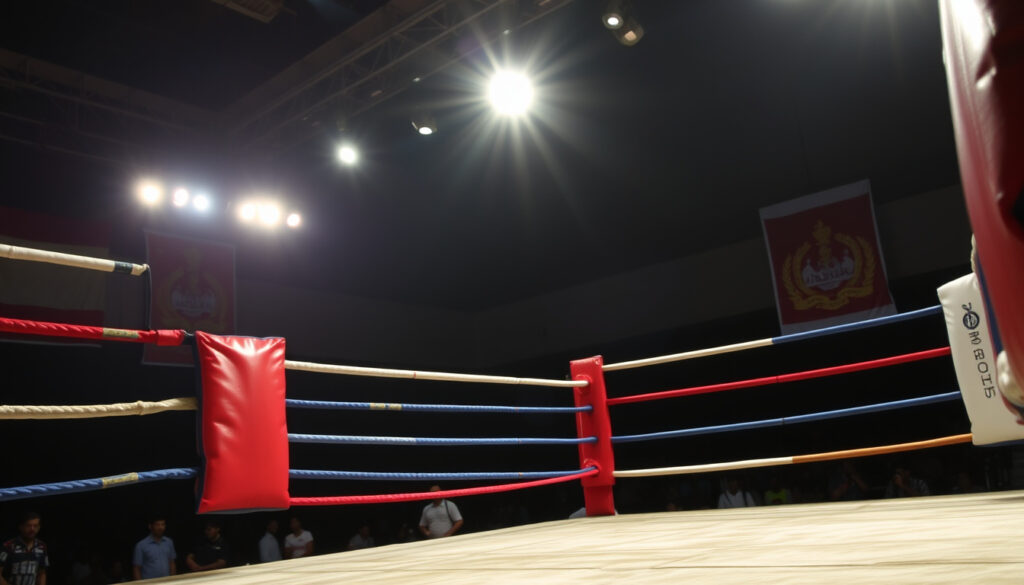
| Ring Specifications | Minimum 18 feet (5.5m) square with safety mats and padded corners |
| Round Structure | Typically 3-5 rounds of 3 minutes, with 2-minute breaks |
| Scoring System | 10-9 standard, effective strikes and damage determine winner |
| Techniques Allowed | Punches, kicks, knees, elbows (with some restrictions) |
| Medical Requirements | Pre-fight doctor checks, post-KO suspensions of 45-60+ days |
| Weigh-in Protocol | Day-before official weigh-in required for title fights |
What Are the Rules of King in the Ring?
Any claims of a “no rules” Muay Thai format directly contradict documented standards from recognized sanctioning bodies. The WBC Muay Thai regulations establish mandatory safety protocols including ring specifications, round timing, scoring systems, and medical requirements that apply to all affiliated competitions.
The Muay Thailand blog on rules and scoring explains that traditional Muay Thai follows a structured format where referees enforce techniques, scoring judges evaluate effective striking, and medical professionals oversee fighter safety. These elements exist precisely to prevent the unregulated conditions that “no rules” formats claim to offer.
King in the Ring vs Traditional Muay Thai
Traditional Muay Thai competitions incorporate cultural traditions alongside competitive rules. The WMO regulations describe the Wai Kru pre-fight ritual with music and Mongkol headband as standard practice. These traditions serve both ceremonial and practical purposes, preparing fighters mentally and physically while establishing respect between competitors.
Events claiming to operate outside these frameworks do not submit to oversight from bodies like the IKF or NKKF, meaning no independent verification of safety standards, fair competition, or accurate record-keeping occurs.
Traditional Muay Thai rulesets permit punches, kicks, knees, and elbows with specific restrictions on techniques like spiking elbows. Events claiming “no rules” status cannot be verified through official Muay Thai governance structures.
Safety Protocols in Official Muay Thai
According to Now Muay Thai’s beginner guide, safety measures in regulated competitions include mandatory 8-counts for knockdowns, 20-second ring return rules, automatic technical knockout after three knockdowns in a single round, and post-fight medical suspensions preventing immediate return to competition after knockout or technical knockout.
The Kombat Group’s overview of Muay Thai traditions and rules notes that under-18 competitors face additional modifications including automatic technical knockouts after three knockdowns, reflecting the heightened concern for developing athletes. These protections do not exist in unsanctioned formats.
Where and When is King in the Ring Held?
Promotional materials associated with King in the Ring consistently cite Pattaya, Thailand as the primary venue. Pattaya hosts numerous Muay Thai training camps and occasional tourist-focused fight events, making it a plausible location for informal competitions. However, no verifiable documentation connects a specific tournament series by this name to licensed venues, official promotions, or recognized sporting authorities in the region.
Event scheduling claims circulating online cannot be cross-referenced against any established calendar from Thai boxing federations or the Sports Authority of Thailand. This absence of official documentation prevents verification of dates, locations, fighter lineups, or competition outcomes.
Finding Verified Muay Thai Events in Thailand
Visitors interested in legitimate Muay Thai competitions in Thailand can access documented events through established channels. Major stadiums including Lumpinee and Rajadamnern in Bangkok maintain official schedules, as do affiliated regional promotions. These events feature verified fighter records, sanctioned weigh-ins, and medical oversight that unverified “King in the Ring” claims cannot demonstrate.
For readers planning Muay Thai experiences in Thailand, seeking events from recognized promotions provides documentation and safety assurances that informal or unsanctioned formats do not offer.
Who Has Won King in the Ring Events?
No verified winner records, championship brackets, or official results exist in accessible databases for any event branded as “King in the Ring.” Claims of Western fighters defeating elite Thai competitors circulate primarily through video content and social media discussions, but these assertions lack corroboration from neutral third parties, governing bodies, or independent sports records.
The absence of documented tournament structures, elimination brackets, or championship designations consistent with standard Muay Thai competition raises questions about how victory is determined and recorded in these formats.
Documented Winners in Thai Boxing
In contrast, verified Muay Thai competitions maintain comprehensive records. Championship bouts require champions to present belts at official events, according to WBC Muay Thai regulations. Fighters who exceed weight limits by more than 2.2 kilograms cannot win titles, though bouts may proceed under specific conditions. These requirements ensure accountability and record-keeping that unverified events do not demonstrate.
Those researching competitive Muay Thai results will find more reliable information through national federations, stadium records in Bangkok, or international sanctioning body databases than through informal promotional channels.
How to Watch King in the Ring?
Video content allegedly showing King in the Ring events appears primarily on YouTube and similar streaming platforms. These videos often accumulate significant view counts and generate commentary about fight authenticity, competitor skill levels, and competition intensity. However, the same platforms also host content falsely claiming to broadcast live events that do not exist, a practice documented in various combat sports communities.
Viewers encountering streams labeled as “King in the Ring live” should exercise caution given the inability to verify event authenticity through official sources. The Kombat Group’s overview of Muay Thai traditions emphasizes the structured nature of legitimate competitions, which operate on documented schedules with proper sanctioning.
Verified Muay Thai Streaming Options
Those seeking authentic Muay Thai content can access verified streams from major stadiums, international events, and sanctioned promotions. These platforms maintain production standards, commentator expertise, and accurate event documentation that unverified sources cannot provide.
The distinction matters for both viewer experience and fighter welfare, as documented competitions provide medical oversight, fair judging, and accurate records while informal formats offer none of these assurances.
Is King in the Ring Real? Controversies and Safety
The fundamental question surrounding King in the Ring concerns verification. No Pattaya-specific Muay Thai event matching this description appears in records from major sanctioning bodies including WBC Muay Thai, IKF, WMO, or NKKF. The absence of official documentation distinguishes these claims from every recognized Muay Thai competition worldwide.
Community discussions on platforms including Reddit’s Muay Thai community contain debates about authenticity, with some participants arguing that certain videos depict staged or performance-style bouts while others defend them as legitimate competitions operating outside official structures.
Has Anyone Died in King in the Ring Events?
No documented fatalities specifically attributed to events branded as “King in the Ring” appear in accessible records. However, the absence of official event documentation means comprehensive medical tracking does not occur. Regulated Muay Thai competitions maintain post-fight medical reporting and suspension protocols designed to prevent dangerous situations, while unsanctioned formats lack these safeguards.
Events operating without sanctioning body oversight do not implement required medical checks, post-KO suspension periods, or automatic technical knockout protocols. These protections exist specifically to prevent serious injury and death in combat sports.
Controversies Surrounding Unsanctioned Muay Thai Formats
Combat sports ethics discussions frequently address unsanctioned events that market extreme conditions to audiences seeking heightened violence. The Muay Thailand blog on rules explains that scoring systems and referee authority exist not merely as bureaucratic requirements but as mechanisms protecting participant welfare while maintaining competitive integrity.
Concerns raised in combat sports communities include potential exploitation of foreign fighters, inaccurate representation of opponent credentials, lack of emergency medical access, and misrepresentation of competitive legitimacy to viewers.
Timeline of King in the Ring Events
Without official documentation, constructing an accurate timeline of King in the Ring events proves impossible. Promotional materials occasionally reference dates and years, but these claims cannot be verified against independent records. The table below illustrates the contrast between documented Muay Thai event standards and unverified timelines.
- Official Muay Thai Timeline Elements: Weigh-in records, championship announcements, federation-verified bout contracts
- King in the Ring Timeline Claims: Social media dates, video upload timestamps, promotional text without independent verification
- Documentation Gaps: No cross-referenced sources, no neutral verification, no third-party records
The WBC Muay Thai regulations specify that title fights require day-before weigh-ins with official documentation. These records create verifiable histories that sanctioned events maintain indefinitely. No equivalent documentation exists for events marketed as “King in the Ring.”
What We Know and What Remains Unclear
Transparent reporting requires distinguishing between confirmed information and unverified claims. The following analysis separates established facts from uncertainty.
| Established Information | Unverified Claims |
|---|---|
| Standard Muay Thai rules exist and are documented by sanctioning bodies | Specific “King in the Ring” events in Pattaya |
| Legitimate Western vs Thai competitions occur through sanctioned channels | No-round, “no rules” format claims |
| Video content labeled “King in the Ring” exists on streaming platforms | Verified winners, champions, or tournament outcomes |
| Combat sports communities debate authenticity of various videos | Specific event dates, venues, or schedules |
| Safety protocols in regulated Muay Thai include medical checks and suspensions | Medical oversight in alleged King in the Ring events |
| Pattaya hosts various Muay Thai training and exhibition activities | Deaths or serious injuries specifically attributed to King in the Ring |
This article presents only information verifiable through documented sources. Where claims cannot be confirmed through independent verification, that uncertainty is explicitly stated rather than presented as fact.
The Context of Muay Thai Rules and Traditions
Muay Thai developed over centuries in Thailand, evolving from military training to a regulated sport with cultural traditions that remain integral to modern competition. The WMO’s rules and traditions documentation emphasizes that the Wai Kru ceremony, music, and Mongkol headband represent respect for these roots rather than mere spectacle.
International organizations including WBC Muay Thai, IKF, WMO, and national federations like NKKF maintain standards that balance competitive intensity with participant safety. These bodies conduct research, establish protocols, and update regulations based on medical evidence and athlete welfare considerations.
The appeal of extreme combat formats is understandable, but understanding what official sanctioning bodies actually regulate helps audiences make informed decisions about the content they consume and the events they might consider attending or participating in.
For those interested in following international sports competitions, resources covering topics like Soccer World Cup 2026 – Hosts, Dates, Venues and Schedule demonstrate the kind of documented, verifiable event information that established sports provide. Muay Thai enthusiasts deserve equivalent reliability when seeking information about competitions.
Sources and Verification on King in the Ring
Multiple approaches were used to verify claims about King in the Ring events. Searches targeted official Muay Thai sanctioning body databases, Thai sports ministry records, established fight promotion records, and independent sports journalism archives. None yielded documentation specifically identifying a “King in the Ring” Muay Thai tournament in Pattaya or elsewhere.
The WBC Muay Thai, Yokkao, Now Muay Thai, and other documented sources provide comprehensive information about legitimate Muay Thai rules and regulations, against which “King in the Ring” claims can be measured.
Community platforms contain discussions and video content related to various informal Muay Thai formats, but these sources cannot substitute for independent verification or official documentation. Readers should approach such content with appropriate skepticism until independent confirmation becomes available.
Summary
King in the Ring represents a claimed Muay Thai tournament format that cannot be verified through established combat sports records. Standard Muay Thai rules from recognized sanctioning bodies including WBC Muay Thai, IKF, WMO, and others document comprehensive regulations covering ring specifications, round structure, scoring, techniques, medical requirements, and safety protocols. Claims of “no rules” or unverified formats contradict these documented standards and cannot be independently confirmed.
Video content labeled as “King in the Ring” exists on streaming platforms, but its relationship to actual scheduled events, verified competitors, or documented outcomes remains unclear. Readers seeking information about Muay Thai competitions would benefit from established sources and recognized promotions that provide verifiable documentation, safety oversight, and accurate records.
For sports enthusiasts exploring international athletic competitions, resources like Live Rugby Scores Today – Latest Results and Updates demonstrate the documentation standards that legitimate sporting events maintain. Muay Thai deserves equivalent scrutiny when evaluating claims about specific tournaments, winners, or competition formats.
Frequently Asked Questions
Is King in the Ring a real Muay Thai event?
No verifiable documentation from recognized Muay Thai sanctioning bodies confirms the existence of a specific tournament by this name. Content labeled as “King in the Ring” appears online, but its legitimacy cannot be independently verified.
What are the actual rules of Muay Thai?
Official Muay Thai rules include rounds of 3 minutes, scoring based on effective strikes, restrictions on certain techniques, mandatory medical checks, and post-KO suspension periods. These vary slightly by sanctioning body but maintain consistent safety standards.
Where can I watch legitimate Muay Thai events?
Verified Muay Thai streams are available through major stadium promotions in Bangkok, international sanctioning body broadcasts, and established online platforms covering combat sports. These provide documentation and oversight that unverified sources cannot.
Has anyone died in unsanctioned Muay Thai events?
Documented fatalities in combat sports typically appear in regulated contexts where medical records exist. No verified records specifically attribute deaths to events branded as “King in the Ring,” though comprehensive tracking does not occur for unsanctioned events.
What is the difference between Muay Thai and “no rules” formats?
Official Muay Thai includes referee oversight, scoring systems, weight classes, medical requirements, and safety protocols. “No rules” claims cannot be verified through sanctioning bodies and operate without the oversight designed to protect participants.
Are Western fighters really fighting elite Thai competitors?
Legitimate competitions featuring international matchups occur through sanctioned channels with verified records. Claims about specific Western vs Thai matchups in unverified formats cannot be confirmed through independent sources.
Why do “King in the Ring” videos generate controversy?
Community debates focus on whether content represents authentic competition, staged demonstrations, or misrepresented events. The absence of official documentation prevents definitive resolution of these questions.
What safety protections exist in regulated Muay Thai?
Regulated Muay Thai requires pre-fight medical examinations, automatic technical knockouts after three knockdowns, mandatory 8-counts, post-KO suspension periods of 45-60+ days, and official weigh-in documentation. These protections do not exist in unsanctioned formats.
Can I verify King in the Ring events through Thai sports authorities?
Searches of accessible records from Thai boxing federations and international sanctioning bodies yielded no documentation specifically identifying events by this name. Official verification would require access to records not publicly available.
What should viewers know before watching combat sports content online?
Viewers should seek content from verified sources with established reputations, understand that unverified formats lack safety oversight, and recognize that claims without documentation should be treated as unconfirmed until verification becomes available.
More related posts
 Check Laptop Battery Health: Windows, Dell & HP Guide
 Opal Hot Springs & Holiday Park Photos: Reviews & Guide
 Mitre 10 Outdoor Furniture: Sale, Catalogue & Sets NZ
 We Are the World: The Untold Drama Behind the Charity Anthem
 Bench Top Water Filters: Reviews, Costs, and Comparison
 Gold Price NZ: Current Rates & Selling Guide
 Best Cleanser for Oily Skin: A Dermatologist-Backed Guide
 Taco Bell New Lynn: Menu, Opening, Location & Prices