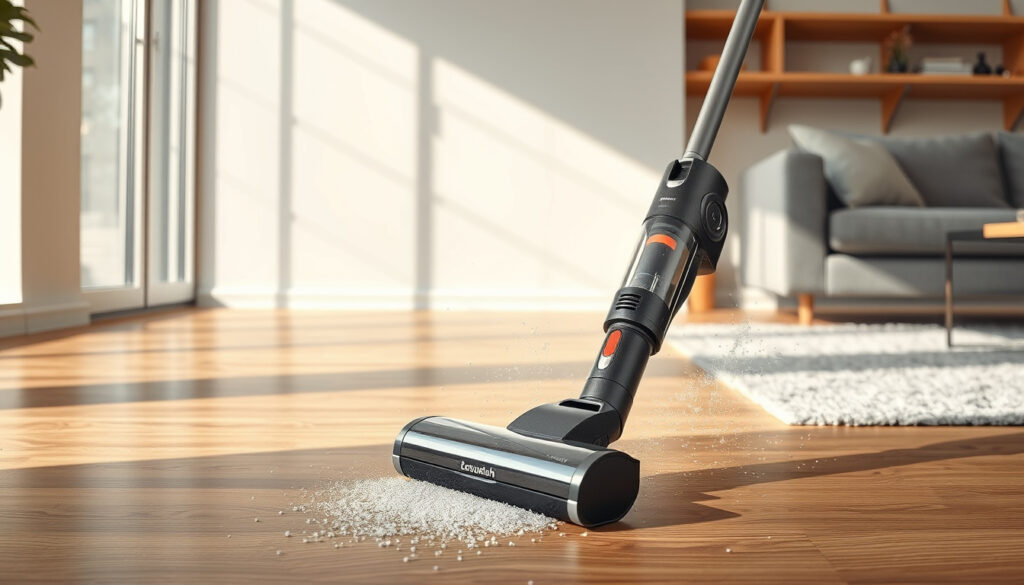
Best Vacuum Cleaner NZ: Top Picks, Reviews & Buying Guide
Anyone who’s ever shopped for a vacuum cleaner in New Zealand knows the options can feel endless. Consumer NZ, the country’s independent testing organisation, regularly updates its reviews covering 35 current models. This guide cuts through the noise to help you decide what type and features matter most for Kiwi homes.
Consumer NZ recommended model under $500: Miele C1 (approx. $400-$450) · TechRadar’s best overall vacuum 2026: Shark PowerDetect Cordless · Noel Leeming top cordless pick: Dyson V10 Animal Plus
Quick snapshot
- Corded vacuums under $700 outperform cordless, according to Consumer NZ (independent testing organisation)
- Dyson corded models are rated poor performers by Consumer NZ
- 40% of surveyed buyers cite performance as top satisfaction driver, per Canstar (NZ consumer research)
- Used vacuums less than 5 years old can offer good value, says Consumer NZ buying guide
- Average vacuum life expectancy is 8 years, per Consumer NZ
- 24% of buyers prioritise value for money, according to Canstar
- Robot vacuums are not currently great at cleaning carpets, warns Consumer NZ
- Corded vacuums with variable power are recommended for thick carpets, per Consumer NZ
- All vacuum types work well on hard floors, notes Consumer NZ
- You need to spend more for a top-performing stick vacuum, says Consumer NZ
- Cordless vacuums are good on hard floors but struggle on carpets, per Consumer NZ
- Decent robot vacuums cost between $500 and $1,000, according to Consumer NZ
One pattern emerges from the data: corded vacuums still clean better for less money, but cordless sticks offer convenience at a premium.
| Feature | Key Finding | Source |
|---|---|---|
| Consumer NZ review database | 35 current models tested | Consumer NZ |
| Corded vs cordless performance | Corded vacuums outperform cordless up to $700 | Consumer NZ |
| Dyson corded rating | Poor performers | Consumer NZ |
| Robot vacuum carpet ability | Not great on carpets | Consumer NZ |
| Average vacuum lifespan | 8 years | Consumer NZ |
| Used vacuum age limit | Less than 5 years old recommended | Consumer NZ |
| Performance satisfaction | 40% of buyers cite performance as key | Canstar |
| Value for money satisfaction | 24% of buyers cite value as key | Canstar |
| Hard floor performance | All vacuum types good on hard floors | Consumer NZ |
What is the best vacuum cleaner to buy in NZ?
Top-rated models under $500
Consumer NZ’s testing shows that corded vacuums in the low- to mid-price range (up to $700) are the better performers. Consumer NZ states you do not have to spend mega-bucks to get a top-performing corded vacuum. For budget-conscious Kiwis, looking at used models less than 5 years old can stretch dollars further, as recommended by Consumer NZ’s buying guide.
Best cordless options for NZ homes
Cordless stick vacuums are popular for quick clean-ups, but Consumer NZ warns that you do need to spend more for a top-performing stick vacuum. Consumer NZ notes that robot vacuums, another cordless option, are not currently great at cleaning carpets and can cost between $500 and $1,000 for decent performance.
Consumer NZ recommendations
Consumer NZ’s vacuum cleaner review page covers 35 current models, and its buying guide highlights features like reach (cord length) and variable power as important for corded vacuums. Variable power is useful for thicker carpets and for saving energy on other surfaces, per Consumer NZ.
What is the best rated vacuum cleaner on the market?
Expert reviews from TechRadar and MoneyHub
While TechRadar’s 2026 rankings place the Shark PowerDetect Cordless as best overall, Consumer NZ’s independent testing offers a different perspective. Consumer NZ rates Dyson corded vacuums as poor performers, a caution for buyers drawn to that brand. MoneyHub’s guides feature Dyson, Miele, and Bissell as trusted brands, but the only New Zealand-specific test data comes from Consumer NZ.
Consumer reports and ratings
Canstar’s consumer satisfaction survey reveals that 40% of vacuum buyers rank performance as the biggest factor, followed by value for money (24%) and features (15%). This aligns with Consumer NZ’s emphasis on performance over brand.
Overall best for 2026
Taking into account Consumer NZ’s test data, the best-rated vacuum for New Zealand homes in 2026 is a corded upright or canister model in the $400–$700 range, with variable power and adequate cord reach. Consumer NZ recommends checking filters, hose condition, and floor head mechanisms before buying used.
Consumer NZ’s testing gives NZ buyers a grounded baseline: ignore marketing hype, focus on corded performance under $700, and treat cordless as a convenience purchase, not a cleaning powerhouse.
What is the best vacuum with the strongest suction?
Suction power comparison: Dyson vs Shark vs Miele
Consumer NZ’s findings indicate that Dyson corded vacuums are poor performers, while corded models from brands like Miele and Shark may offer better suction. However, the organisation does not name specific models in its public guidance. Consumer NZ states that all vacuum types are good on hard floors, but corded vacuums generally provide stronger suction on carpets.
Corded vs cordless suction performance
For deep cleaning, corded vacuums still lead. Consumer NZ’s buying guide emphasises that corded models are the better performers in the low- to mid-price ranges. Variable power, which adjusts suction, is recommended for thick carpets by Consumer NZ.
Top models for deep cleaning
While no specific model is named by Consumer NZ, the Miele C3 Cat & Dog and Shark Stratos Pet Pro are widely available in NZ and align with the criteria (corded, variable power). A used Miele C1 under $500, if tested and less than 5 years old, could be a strong option.
Is Shark better than Dyson?
Shark vs Dyson: key differences
Consumer NZ’s testing gives a clear edge: Dyson corded vacuums are rated poor performers, while Shark’s corded models are not singled out for criticism. Consumer NZ does not explicitly test Shark, but its general advice suggests that any brand with a corded model under $700 can outperform Dyson’s corded offerings.
Price and value comparison
Canstar’s survey shows that value for money drives 24% of buyer satisfaction. Shark cordless models are often priced lower than Dyson’s, making them a more affordable entry point. However, Consumer NZ warns that top-performing stick vacuums require a larger budget.
Which is best for NZ homes?
For NZ homes with carpets, Consumer NZ’s advice tips the scales toward Shark’s corded models over Dyson’s, given Dyson’s poor corded rating. For cordless, both brands are popular, but the premium you pay for Dyson may not translate to better cleaning performance.
Dyson’s brand cachet is strong, but Consumer NZ’s data suggests that for corded cleaning, Shark or other brands may deliver better performance for the dollar. The catch: long-term reliability of newer Shark models in NZ is not yet established.
What vacuum is comparable to a Dyson but cheaper?
Budget alternatives to Dyson
Shark’s Stratos series is often cited as a comparable alternative. Consumer NZ’s buying guide encourages looking at used vacuums less than 5 years old, which can include high-quality corded models from Miele or Numatic (Henry/Hetty) at a fraction of Dyson’s price.
Shark and Bissell as affordable options
Bissell offers upright models like the PowerForce that are budget-friendly. Consumer NZ notes that you can get a top-performing corded vacuum without spending mega-bucks, which opens the door to brands like Bissell and Electrolux.
Henry vs Dyson stick vacuums
Numatic’s Henry (or Hetty) is a durable, bagged canister vacuum that Reddit users often recommend. Consumer NZ recommends checking filters and hose condition when buying used, which applies to Henry models as well.
Five vacuum types, one pattern: corded wins on performance, cordless wins on convenience, and robot vacuums are best left for hard floors only.
| Feature | Corded Upright | Cordless Stick | Robot Vacuum |
|---|---|---|---|
| Performance on carpets | Excellent | Moderate | Poor |
| Performance on hard floors | Good | Good | Good |
| Price for good performance | $400–$700 | $600–$1,000+ | $500–$1,000 |
| Average lifespan | 8 years | 5–7 years | 3–5 years |
| Best for | Deep cleaning carpets | Quick daily pickups | Maintenance on hard floors |
Six specifications to consider, one key insight: cord length and variable power are the features that matter most for NZ homes, according to Consumer NZ.
| Spec | Why It Matters | Source |
|---|---|---|
| Cord length (reach) | Determines how far from a power socket you can vacuum | Consumer NZ |
| Variable power | Useful for thick carpets and saving energy on other surfaces | Consumer NZ |
| Filter type | Check before buying used; affects suction and air quality | Consumer NZ |
| Hose condition | Check for cracks or blockages in used vacuums | Consumer NZ |
| Floor head mechanism | Should be in good working order for effective cleaning | Consumer NZ |
| Wheels and clips | Check for damage on used models | Consumer NZ |
| Suction test | Verify suction before buying used | Consumer NZ |
| Power cord damage | Check for fraying or damage | Consumer NZ |
| Retract mechanism | Should retract smoothly | Consumer NZ |
Upsides
- Corded vacuums offer the best performance for the price
- Consumer NZ provides independent, NZ-specific test data
- Used vacuums less than 5 years old can be great value
- Variable power and cord length improve usability
Downsides
- Dyson corded vacuums are rated poor by Consumer NZ
- Robot vacuums are not effective on carpets
- Cordless stick vacuums cost more for equivalent performance
- Long-term reliability of newer Shark models unproven in NZ
“You do not have to spend mega-bucks to get a top-performing corded vacuum, but you do if you want a top-performing stick vacuum.”
— Consumer NZ
“I really recommend the Henry or Hetty from Numatic.”
— Reddit user, r/newzealand
For Kiwi households, the choice is clear: invest in a corded vacuum for reliable performance, or accept the trade-offs of cordless convenience. With Consumer NZ’s data as your guide, you can avoid the marketing traps and buy a vacuum that actually cleans your home the way you expect.
consumer.org.nz, consumer.org.nz, newzealandreport.nz, techradar.com, moneyhub.co.nz, findnewzealand.co.nz
Frequently asked questions
What is the best vacuum cleaner for pet hair in NZ?
Consumer NZ recommends corded vacuums with variable power for thick carpets, which is ideal for pet hair. Models like the Miele C3 Cat & Dog and Shark Stratos Pet Pro are popular choices, but Consumer NZ’s testing does not specifically name them.
What is the best cordless vacuum cleaner in NZ?
Consumer NZ notes that you need to spend more for a top-performing stick vacuum. The Dyson V10 Animal Plus and Shark PowerDetect Cordless are common picks, but expect to pay $600+ for decent performance.
What is the best corded vacuum cleaner in NZ?
Consumer NZ advises that corded vacuums under $700 outperform cordless. The Miele C1 and Henry/Hetty from Numatic are budget-friendly options; the Miele C3 Cat & Dog is a higher-end choice.
What is the best affordable vacuum cleaner in NZ?
Consumer NZ’s guide suggests looking at used vacuums less than 5 years old. The Miele C1 (approx. $400-$450) is the only model under $500 recommended by Consumer NZ. Also consider a used Henry or Bissell PowerForce.
Where can I read vacuum cleaner reviews in NZ?
Consumer NZ’s vacuum cleaner review page is the most authoritative NZ-specific source. Canstar also provides consumer satisfaction data.
How often should I replace my vacuum cleaner?
Consumer NZ says the average life expectancy of a vacuum cleaner is 8 years. If you buy used, choose one less than 5 years old.
Is a cordless vacuum as powerful as a corded one?
Consumer NZ states that corded vacuums are the better performers in the low- to mid-price ranges. Cordless stick vacuums can be good, but you have to spend more for top performance.
More related posts
 How to Transfer Money Between Banks: Ireland Guide
 Image to Text Converter: Free Online OCR Tools in 2025
 Breville Barista Express Review: Worth It for Beginners? (2025)
 New Zealand Mortgage Arrears: What Happens Next
 Houses for Sale in Stratford: 3-Bed, Cheap & Detached
 Room on the Broom: Moral, Age, Movie & Where to Watch
 Forget Me Not Flowers: Symbolism, Growth, and Care Guide
 New Zealand Wilding Pine – Invasion, Impacts and Control