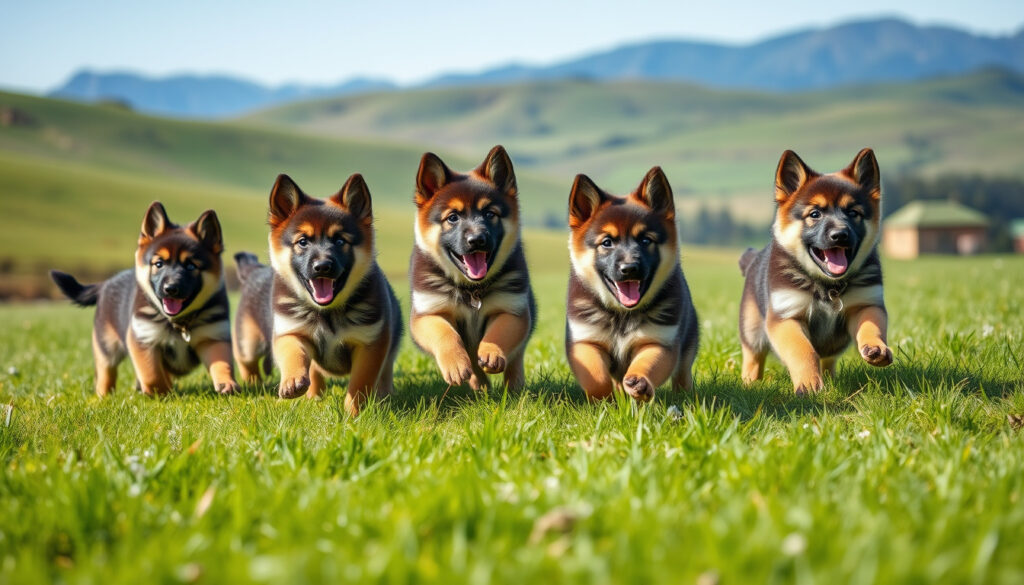
German Shepherd Puppies NZ: Prices, Breeders & Guide
Thinking about bringing a German Shepherd puppy into your home? You’ll want to know what you’re actually spending before you commit. Purebred puppies in New Zealand range from around $800 to $3,500, with prices varying widely depending on the breeder and what’s included. Missing the basics on legal limits, health testing, and breeder vetting can turn excitement into regret fast.
Legal dog limit without licence: 2 per property · Example puppy price: $1,950 · Top sales platform: TradeMe.co.nz
Quick snapshot
- Trade Me listings show puppies from $1,500 to $1,950 (Trade Me)
- Deringolsta has been a Dogs NZ member since 1976 (Dogz Online NZ)
- Exact average prices vary by breeder and change seasonally
- Specific litter availability dates not publicly listed
- Deringolsta bred its first litter in 1980 (Dogz Online NZ)
- MPI permit processing takes at least 20 working days (Pet Traveller)
- Health screening standards increasingly expected by NZ buyers
- Trade Me remains the primary marketplace for private listings
Five key facts about the NZ German Shepherd puppy market:
| Field | Value |
|---|---|
| Legal limit without licence | 2 dogs per property |
| Sample listing price | $1,950 (Trade Me) |
| Prime sales site | www.trademe.co.nz |
| Breeder example | www.sabellafarms.co.nz |
| NZ Kennel Club resource | Available |
| German Shepherd weight | 22-40 kg |
How much should I expect to pay for a German Shepherd puppy?
Prices swing wide across the NZ market. A solid mid-range breeder charges $800 to $3,000 for a purebred German Shepherd puppy, depending on pedigree, health testing, and what’s bundled in the sale. At the premium end, Sabella Farms in King Country lists puppies at $3,500 NZD, which includes 90 days of free pet insurance, first vaccinations, microchipping, a vet check, and worming. That deposit is non-refundable at $800. On Trade Me, meanwhile, German Shepherd puppies have appeared at prices ranging from $1,500 to $1,950 NZD for verified listings. The lower end typically reflects breeders who haven’t completed formal health scoring or aren’t registered with Dogs NZ.
The sticker price is only the start. Council registration in New Zealand costs between $30 and $150 depending on your local authority, and annual vet visits for a growing puppy run around $250 NZD per year according to MoneyHub NZ’s puppy cost breakdown. Add food, equipment, training, and insurance, and you’re looking at a multi-year financial commitment well beyond the initial purchase.
Price ranges from listings: Budget breeders charge $800-$1,200; mid-range with health testing $1,500-$2,500; premium breeders with full certification $3,000-$3,500.
Ongoing ownership costs: Registration $30-$150, annual vet visits ~$250, food costs higher than small breeds due to size.
Where to find reputable German Shepherd breeders and puppies for sale in NZ?
Finding a legitimate breeder takes more effort than scrolling Trade Me, but the extra steps pay off in peace of mind. The Dogs NZ registry, accessible through Dogz Online NZ, lists registered breeders with track records and documented health testing. Several established kennels have been breeding German Shepherds in New Zealand for decades.
Deringolsta Kennels in Upper Hutt has been a Dogs NZ member since 1976 and bred its first litter in 1980. Breeding stock undergoes hip and elbow X-rays scored in Australia, plus DM testing for degenerative myelopathy. Puppies leave on Royal Canin food, fully vet-checked, vaccinated, and tattooed. Sabella Farms in King Country offers DNA-tested, hip and elbow scored German Shepherds with vet certification, selling puppies at $3,500 NZD with comprehensive inclusions. Double Diamond Stud in Tokoroa adheres to Dogs NZ breeding standards with DNA testing and health checks. Puppies receive an 8-week vet check and are raised on Black Hawk food.
South Island buyers can look at Blackash Kennels near Ashburton, operating on 5 acres. Heisenberg Kennels in Bulls focuses on working line German Shepherds for owners who want strong drive and trainability.
Buyers without thousands to spend should also consider rescue. German Shepherds sometimes end up in shelters when circumstances change, and rehoming an adult dog through a reputable rescue organisation lets you skip the intensive puppy phase while still gaining a loyal companion.
Dogs NZ membership isn’t a marketing badge — it requires breeders to meet standards and allows buyers to verify claims. Start your search at Dogz Online NZ before touching a Trade Me listing.
Kennel Club approved: Dogs NZ registry at Dogz Online NZ filters for breeders with documented health testing records and established track records.
Top breeders like Sabella Farms: Sabella Farms, Deringolsta, Double Diamond Stud, and Heisenberg all show publicly verifiable credentials on their websites and through Dogs NZ.
Rescue and Trade Me options: Trade Me listings suit buyers on tighter budgets; rescue suits those willing to work with adult dogs with unknown histories.
Is it better to get a boy or girl German Shepherd?
Male and female German Shepherds differ in ways that matter depending on your household. Males typically weigh 30-40 kg and stand taller, with more muscular builds and higher energy levels. They’re more territorial and protective, which can be an asset or a liability depending on your setup. Females weigh 22-32 kg, stay more compact, and tend to show calmer temperaments overall.
Females often house-train faster and respond to commands more consistently, partly because they’re less distracted by territorial drives. During heat cycles (roughly twice yearly), females require management — either separation from male dogs or planning around the three-week period. Males can be harder to manage around other intact males and may show more assertive behaviour during social encounters.
For families with young children, females typically adapt better because they’re more patient and less likely to overwhelm smaller kids with their size and enthusiasm. Active owners who want a running partner or working dog often prefer males for their endurance and drive.
German Shepherds rank among the most intelligent dog breeds globally, according to Petstock’s breed overview, and both sexes excel at training when the owner commits to consistent methods. The “right” choice depends less on sex and more on whether the puppy’s parents were temperament-tested and whether the buyer can meet the dog’s exercise needs.
The comparison below summarises key differences to help buyers weigh their priorities:
| Trait | Male German Shepherd | Female German Shepherd |
|---|---|---|
| Typical weight | 30-40 kg | 22-32 kg |
| Temperament | More territorial, higher energy | Calmer, more focused |
| Trainability | Strong but distraction-prone | Easier house training, more responsive |
| Energy level | Higher | Moderate |
| Best for | Active owners, working roles | Families with young children, first-time owners |
Is a German Shepherd right for your family?
German Shepherds bond deeply with their families and naturally protect children, making them appealing for households that want a dog with presence. They’re highly intelligent, adaptable to NZ’s varied climate, and respond well to training when methods stay consistent. The breed’s loyalty is genuine — once a German Shepherd considers you part of the pack, that bond tends to be solid.
But the breed demands more than many buyers expect. They need at minimum an hour of active exercise daily, plus mental stimulation through training games or puzzle toys. A German Shepherd left alone for extended periods — say, a full workday — often develops anxiety or destructive behaviour. They’re not suited to apartment living or households where everyone works long hours with no one home during the day.
The Petstock breed profile notes German Shepherds weigh 22-40 kg and stand 55-65 cm tall, with a lifespan of 9-13 years. That size and energy level means they knock over small children unintentionally during play. Young families should plan for structured interactions and supervision until kids are old enough to handle a large dog safely.
German Shepherds sell fast from reputable breeders because people underestimate the commitment. Sabella Farms explicitly states on their site that their puppies are “very sought after and sell quickly.” Buyers who wait until they find the right breeder rather than grabbing the first available listing tend to report higher satisfaction years later.
Family suitability: Excellent with older children who understand boundaries; challenging with toddlers unless managed carefully. For those interested in purchasing a German Shepherd puppy in New Zealand, you can find information on prices and breeders at $New Zealand national flower.
Alone time tolerance: Low. German Shepherds generally don’t cope well with being left alone for full workdays.
Who should avoid: Apartment dwellers, frequent travellers, first-time owners unwilling to invest in training, households where everyone works full-time with no midday breaks.
Legal requirements for owning German Shepherds in NZ?
New Zealand places specific rules on dog ownership that apply before you even pick up a puppy. Most councils limit residents to two dogs per property without a specific licence — anyone keeping more than that needs to apply through their local council and meet compliance standards. The rules exist partly because German Shepherds fall under the “menacing dog” classification in some regions if they don’t have proper documentation, though the breed itself isn’t banned for import or ownership under national rules.
For buyers sourcing puppies internationally, Pet Traveller’s guide to NZ pet imports outlines MPI biosecurity requirements. German Shepherds aren’t on the banned breeds list for import. Dogs from Australia (Category 1 countries) need no import permit and no quarantine if conditions are met, and must be over 8 weeks old. Category 2 countries require an import permit and minimum 10 days quarantine. The MPI import permit fee is NZD 268.24 with GST for cats and dogs from rabies-free countries. MPI processes these permits in at least 20 working days, and a post-arrival vet inspection adds NZD 57.05 if no physical examination is needed.
Buyers should also note the 7-7-7 rule that applies to new dogs in New Zealand — a mandatory transition period requiring proper documentation and sometimes confinement periods depending on the source and council area.
The $268 MPI permit fee and 20-day processing window add weeks to any international sourcing plan. Domestic breeders avoid all of this complexity. For most NZ buyers, the simpler path is buying locally from a Dogs NZ registered breeder — no quarantine paperwork, no MPI fees, and a vet you can call the same day if something goes wrong.
Dog limits and licences: Two dogs per property is the standard maximum without a licence. More requires council approval and compliance checks.
Banned breeds check: German Shepherds are not on the NZ banned breeds list for import, according to Pet Traveller.
777 rule for new dogs: A transition guideline that new dog owners should observe to help dogs adjust safely and legally in NZ.
Upsides
- German Shepherds rank among the most intelligent dog breeds globally
- Highly adaptable to NZ’s varied climate conditions
- Natural family protectors with strong loyalty bonds
- Well-established breeder network through Dogs NZ
- German Shepherds not on NZ banned breeds list
Downsides
- Higher food costs due to 22-40 kg adult weight
- Hip dysplasia risk without health-screened parents
- Not suitable for apartment or small-property living
- Requires 1+ hours daily exercise and mental stimulation
- Premium puppies from vetted breeders cost $3,000-$3,500
Steps to buy a German Shepherd puppy in NZ
- Verify breeder credentials — Check that your breeder appears on the Dogs NZ registry via Dogz Online NZ. Avoid anyone who can’t provide documentation or deflects questions about registration.
- Request health testing proof — Ask specifically for hip and elbow scores, DM test results, and vet certification. Reputable breeders include this proactively; those who resist should raise red flags.
- Visit the property or request a video call — See the puppies interacting with their mother in a clean environment. Sabella Farms, Deringolsta, and Double Diamond Stud all welcome property visits by appointment.
- Review contract terms carefully — Sabella Farms specifies an $800 non-refundable deposit. Understand cancellation policies before paying anything.
- Register with your local council — Within the first month of bringing your puppy home, complete council registration. Costs range from $30 to $150 depending on your council.
We have been a member of the NZ Kennel Club now (Dogs NZ) since 1976 and bred our first litter in 1980.
— Garry & Debbie Ingham, Deringolsta Kennels (Dogz Online NZ)
New Zealand has stringent biosecurity laws in place to ensure that native flora and fauna are protected from exotic diseases.
— Pet Traveller (Pet Traveller)
For NZ families ready to invest the time and resources, a well-bred German Shepherd pays dividends in companionship, loyalty, and security that few other breeds match. Those who skip the vetting process to save money tend to face expensive vet bills for conditions that responsible breeders screen out before breeding — hip dysplasia, degenerative myelopathy, and temperament issues that turn a promising puppy into a liability. The right breeder costs more upfront and far less over the dog’s 9-13 year lifespan.
Related reading: Pets in the City Mt Wellington Dog Daycare · New Zealand Wilding Pine Invasion Control
sabellafarms.co.nz, sabellafarms.co.nz, doublediamondstud.co.nz, petpost.com.au, kriegerin.nz
Frequently asked questions
What is the 7 7 7 rule for dogs?
The 7-7-7 rule in New Zealand refers to a transition guideline for new dogs. While exact local council requirements vary, the rule generally refers to a structured adjustment period — proper documentation, potential confinement, and vet checks within specified timeframes to ensure the dog settles safely and legally into its new environment.
Can a German Shepherd be left alone for 8 hours?
German Shepherds generally don’t cope well with being left alone for full workdays. Extended isolation often leads to anxiety, destructive behaviour, or nuisance barking. If your household will be empty for 8 hours regularly, this breed is not the right choice unless you can arrange midday doggy daycare or a dog walker.
What dog breeds are not allowed in NZ?
New Zealand has import restrictions on certain breeds classified as dangerous, but German Shepherds are not on the banned list. However, they may fall under “menacing dog” local council classifications in some areas, requiring specific documentation and potentially additional compliance steps.
What is the best family dog in NZ?
German Shepherds rank among the top choices for active NZ families who can meet their exercise and training needs. Their intelligence, loyalty, and protective nature make them excellent family dogs for households with older children. For families needing a lower-maintenance option, breeds like Labradors or spaniels may suit better.
How many dogs are you legally allowed to own in NZ?
Most NZ councils allow residents to keep up to two dogs per property without a special licence. Keeping more requires a specific licence from your local council, which typically involves compliance checks, property inspections, and sometimes additional fees.
Are female German Shepherds calmer than males?
Yes, female German Shepherds typically display calmer temperaments than males. They’re generally easier to house-train, more patient with children, and less likely to show aggressive territorial behaviour. Males tend to have higher energy levels and stronger protective instincts.
Who should not own a German Shepherd?
First-time dog owners unwilling to invest in professional training, apartment dwellers, frequent travellers, households where everyone works full-time with no midday breaks, and anyone seeking a low-energy companion dog should look at other breeds. German Shepherds need space, time, and consistent mental engagement.
More related posts
 Silver Ferns vs England 2025: Scores, Taurua News & TV
 Pak n Save Gold Card Discount: What Seniors Should Know
 Opal Hot Springs & Holiday Park Photos: Reviews & Guide
 Lower Wye Creek Track Guide: Length, Difficulty & Hiking Guide
 Capital of New Zealand: Why It’s Wellington, Not Auckland
 Super Rugby 2025 Points Table: Standings and Playoffs
 Star Wars in Order: Release, Chronological & Machete Guide
 Argentina vs New Zealand Rugby: Score, History & Wins